
Hair is falling too much what to do?
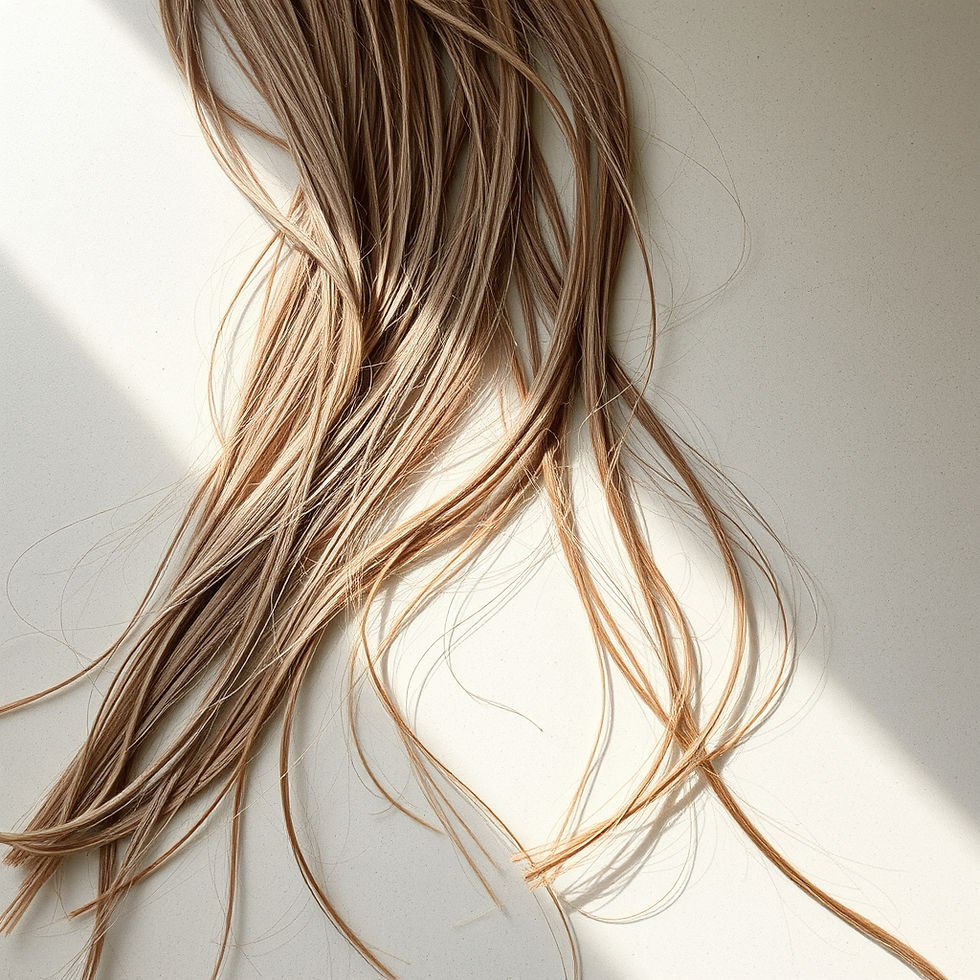
Hair Is Falling Too Much: What to Do About Hair Loss
Have you noticed a lot of hair falling out when you shower, brush your hair, or wake up in the morning? Seeing hair everywhere can be worrying. You may be asking, “My hair is falling too much. What should I do?”
Some hair shedding is normal. But when you notice a big change in how much hair you are losing, it is worth finding out why.
Hair loss can happen for many reasons. The good news is that understanding the cause is the first step toward finding the right solution.
How Much Hair Loss Is Normal?
It is normal to lose some hair every day. Hair naturally goes through a growth and shedding cycle.
You may notice more hair coming out when you:
Wash your hair
Brush or comb it
Change your hairstyle
Go several days without washing it
The amount can also vary from person to person.
If you suddenly notice much more hair than usual, however, it may be time to take a closer look.
Why Is My Hair Falling Out So Much?
There is no single reason for hair loss. Different people can have very different causes.
Common causes include:
Stress: Major emotional or physical stress can affect the hair growth cycle.
Hormonal changes: Changes in hormones can cause increased shedding or thinning.
Genetics: Hair loss can run in families.
Illness: Some illnesses, high fevers, or major health events can lead to temporary hair shedding.
Nutrition: Not getting enough protein, iron, or other nutrients may affect healthy hair growth.
Medications: Some medicines can cause hair loss as a side effect.
Scalp conditions: Certain scalp problems can affect the hair follicles.
Tight hairstyles: Constant pulling from tight ponytails, braids, or extensions can damage hair over time.
Heat and chemical damage: Frequent heat styling or harsh chemical treatments can cause hair breakage.
Because there are many possible causes, it is important to look at the whole picture.
What Should I Do If My Hair Is Falling Too Much?
The first step is not to panic.
Instead, start paying attention to your hair and scalp.
Here are some simple things you can do:
1. Look for Changes
Check whether your hair is becoming thinner or whether you are simply seeing more loose hairs.
Look for:
A wider hair part
A thinner ponytail
More scalp showing
A receding hairline
Bald spots
Thinner hair on top of the head
Taking photos every few weeks can help you see changes over time.
2. Be Gentle With Your Hair
Your hair can be fragile, especially when it is wet.
Try to:
Use a gentle brush or wide-tooth comb.
Avoid pulling or tugging on your hair.
Avoid very tight hairstyles.
Limit high heat when styling.
Be careful with chemical treatments.
Avoid scratching your scalp.
These simple habits can help reduce hair breakage and unnecessary damage.
3. Take Care of Your Overall Health
Healthy hair starts with taking care of your body.
Try to eat a balanced diet that includes protein, fruits, vegetables, and other nutrient-rich foods. Get enough sleep and find healthy ways to manage stress.
If you think your diet or a health problem may be connected to your hair loss, talk with your doctor before taking supplements.
Can Stress Make Your Hair Fall Out?
Yes, stress can affect the hair growth cycle.
Some people notice increased shedding after a major stressful event, illness, surgery, or other physical changes. The hair shedding may happen weeks or months after the event, which can make the cause hard to spot.
Stress management may help support your overall health. Simple habits such as regular exercise, good sleep, relaxation, and talking with someone you trust can help.
However, do not assume stress is always the cause. A professional evaluation can help rule out other reasons.
When Should You Get Your Hair Checked?
If your hair is falling out much more than usual, getting professional advice can be helpful.
You should consider getting your hair and scalp checked if:
Hair loss started suddenly.
You have bald patches.
Your hair is getting thinner quickly.
Your scalp is itchy, painful, red, or flaky.
You are losing hair from your eyebrows or other areas.
Hair loss continues for several weeks or months.
Hair loss is affecting your confidence.
A doctor or qualified hair and scalp professional can help you understand what may be causing the problem.
What Are the Solutions for Hair Loss?
The best solution depends on the type and cause of your hair loss.
Depending on your situation, options may include:
Improving your hair care routine
Treating scalp concerns
Medical evaluation and treatment
Lifestyle changes
Hair restoration options
Non-surgical hair replacement systems
For people with visible thinning or bald areas, a hair patch or hair replacement system may provide coverage and create the appearance of fuller hair.
There is no one solution that works for everyone. A personalized consultation can help you understand which options may be right for you.
Hair Loss Help in San Jose, California
If you are searching for hair loss help in San Jose, CA, you are not alone. Hair loss can affect people of all ages, and it can be frustrating when you do not know why it is happening.
You do not have to wait until you have significant hair loss before getting help. Understanding the cause early can make it easier to explore your options.
Remember, seeing extra hair in your brush does not always mean you are going bald. But if the amount of shedding has changed, your hair is getting thinner, or you have bald spots, it is worth paying attention.
Take one step at a time. Learn what is causing the hair loss, take care of your scalp, and explore solutions that make you feel comfortable and confident.
At New Look Institute, we are experts on hair loss, hair replacement systems, and trichology-based hair and scalp care. We focus on understanding your individual hair concerns and helping you explore solutions that fit your needs, lifestyle, and goals. If your hair is falling too much and you want professional guidance in San Jose, California, contact New Look Institute today to schedule a complimentary consultation.


